
Buying 2nd Hand 125cc Motorbikes: Your 2026 UK Guide
Flex Electric
The UK's #1 Electric Moped and Electric Motorbike dealer.

You've passed your CBT, you're scrolling listings at night, and every other advert looks like the answer. A tidy little 125. Cheap enough to get you on the road. Fast enough, hopefully, for the commute. Maybe good enough for delivery work. That's usually the point where first-time buyers either land a solid bike or buy someone else's neglected problem.
Used 125s are popular for a reason. In the UK, 2nd hand 125cc motorbikes can start at about £700 for higher-mileage examples, while cleaner lower-mileage bikes usually sit around £1,000 to £2,000 according to this UK used-bike buying guide. That makes them one of the easiest ways into motorcycling without paying new-bike money.
The problem is that a cheap asking price tells you almost nothing about what happens next. A bike can look presentable in photos and still need tyres, chain and sprockets, brake work, or sorting after a hard life outdoors. For commuters and riders using a bike every day, that matters more than glossy plastics. It also raises a fair question in 2026. Is an older petrol 125 still the sensible buy, or does a used electric motorcycle make more sense if you want lower hassle and simpler running costs?
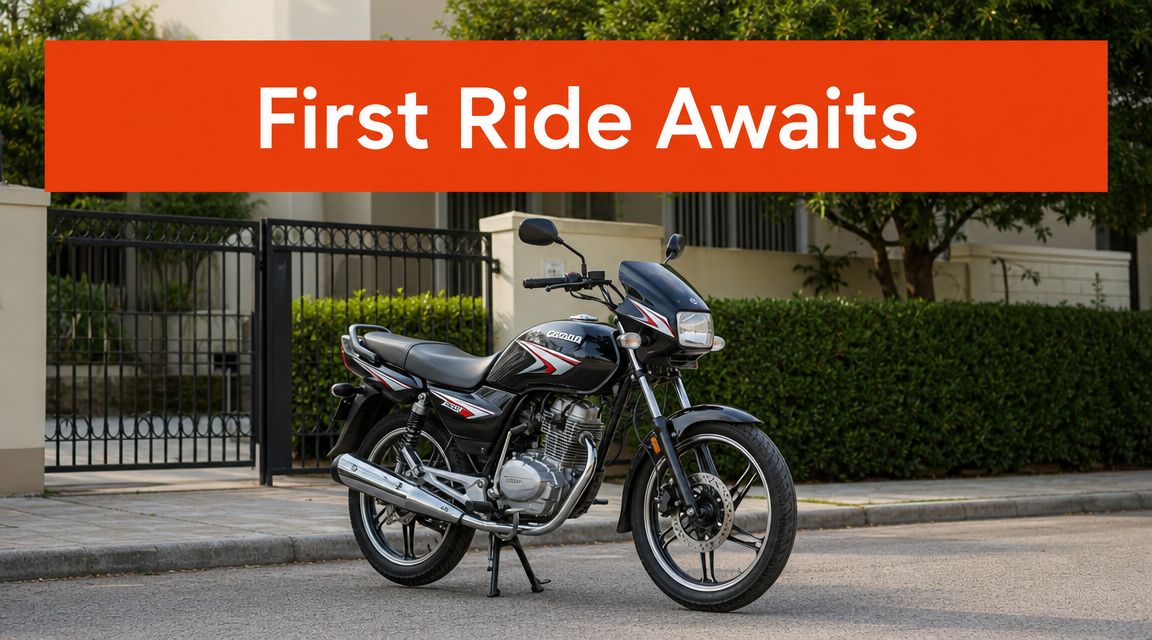
Your First Bike Awaiting Your First Ride
Most riders remember the first serious hunt for a 125. You've got the CBT done, the helmet bought, and a route in your head before you even own the bike. You can already see it parked outside work or waiting on the drive for that first early Sunday ride.
That excitement is useful. It gets you moving. It also makes people rush. I've seen buyers focus on paint, exhaust noise, and whether the bike “feels quick” in a car park, while missing the worn chain, cracked tyres, or missing service evidence that will hit their wallet the week after.
A used 125 works well when it's been owned by someone organised. These bikes often pass through short ownership cycles, so there are plenty on the market. Some have had easy commuter lives. Some have had a rough start with learners who skipped maintenance and stored them outside all winter.
Buy the owner as much as the bike. A careful seller usually leaves clues everywhere: clean paperwork, honest photos, decent consumables, and sensible answers.
That's the difference this guide is built around. Not just “does it start?”, but will it be cheap and easy to live with once it's yours? That matters whether you want a petrol commuter or you're starting to look at a used electric moped or motorcycle instead.
Finding Your Bike and Setting a Realistic Budget
Set your budget before you fall for a bike.
That sounds obvious, but plenty of first-time buyers start with the advert price, then get caught out by tyres, a chain kit, insurance, or a service the bike should have had already. A used 125 can still be cheap transport, but only if you price the whole first year realistically. That is also the point where a pre-owned electric bike starts to deserve a proper look. If your main job is commuting or delivery work, a used petrol 125 is not automatically the cheaper option once fuel, servicing, and wear items start stacking up.
Private adverts versus dealers
Private sellers often offer the best value on paper. You can meet the owner, see how they talk about the bike, and judge whether they have looked after it. If the bike has been serviced on time, kept clean, and sold with sensible paperwork, a private sale can be a very good buy.
The risk is the lack of comeback. If you get home and find charging faults on an electric bike, or a slipping clutch and neglected valve checks on a petrol one, the problem is usually yours.
Dealers charge more for a reason. You are paying for stock prep, a more orderly buying process, and some legal protection. That does not make every dealer bike good. I have seen dealer bikes with shiny plastics and tired consumables underneath. Treat dealer stock as better presented, not automatically better maintained.
Budget for purchase price plus catch-up costs
A cheap 125 is only cheap if nothing important is overdue.
The used market usually falls into three camps. There are rough bikes priced to move, honest bikes at normal money, and shiny listings with optimistic pricing. Most first-time buyers do best in the middle. Paying a bit more for a bike with receipts, decent tyres, and a healthy chain often saves money within weeks.
Build your budget in two parts:
- Purchase money: what you can spend to buy the bike
- Immediate repair fund: money set aside for tyres, chain and sprockets, brake pads, battery, or a service
- Ownership costs: insurance, tax, fuel or charging, and routine maintenance
- Contingency: enough left for one unpleasant surprise
That last part matters. If a bike ends up being accident-damaged or written off soon after purchase, understanding the claims side helps. This guide on mastering total loss claims is useful background for any rider spending hard-earned money on a used vehicle.
Where petrol and electric budgets split
Buyers can save themselves real hassle.
A used petrol 125 usually costs less to understand because the market is bigger and more people know what they are looking at. Parts are easy to get, any local workshop can service it, and there is loads of model-specific advice around. The catch is ongoing spend. Fuel, oil changes, filters, spark plugs, chains, and the usual wear items keep coming.
A pre-owned electric 125 equivalent, including models available through Flex Electric, can cost more upfront depending on age and battery spec, but the day-to-day costs are often simpler. There is no oil service, no exhaust, and fewer routine jobs. For a commuter doing regular urban miles, or a delivery rider who lives in stop-start traffic, that can change the maths quickly. The right choice is the bike that costs less over the time you will keep it, not the one with the lowest number in the advert.
How to filter adverts quickly
Ignore sales language. Read the listing like a mechanic.
A good advert usually has straight photos, a visible registration, sensible detail on service work, and a clear reason for sale. A weak advert leans on words like “mint” and “immaculate” while saying very little that can be checked.
Before you travel, ask for:
- A cold start viewing, especially on a petrol bike
- Registration and document details
- Service history or parts receipts
- Close photos of tyres, chain, dash, and both sides of the bike
- Battery details and charging information if it is electric
- A direct reason for sale
Short, clear answers are a good sign. Vague answers usually cost you time, and often money.
A realistic budget gives you options. It also stops you buying a cheap problem dressed up as a bargain.
The Ultimate Pre-Purchase Inspection Checklist
If you only get one part of this process right, make it this one. A proper inspection tells you how the bike has been treated, what money is about to leave your pocket, and whether the advert was honest.

Start with the parts that cost you first
Don't begin with the shiny bits. Start with the consumables and structural parts.
A useful rule with used 125s is that deferred maintenance often matters more than fuel economy. Some models can return over 100 mpg, but that saving disappears quickly if you need chain and sprockets, tyres, and brake parts straight away, as highlighted in this UK 125cc buyer and running-cost guide.
Walk round the bike slowly and check these first:
- Chain and sprockets: A dry, rusty, kinked chain or hooked sprocket teeth usually means the owner skipped routine care.
- Tyres: Check for cracking on the sidewalls, uneven wear, and old hardened rubber.
- Brake pads and discs: Thin pads and scored discs point to upcoming spend.
- Forks and shock: Look for leaks and bounce the suspension. It should move smoothly, not clunk.
- Frame and bars: Look for crash signs, fresh paint on odd areas, bent levers, scraped bar ends, and mismatched panels.
- Engine cases and fasteners: Rounded bolts and oily grime around gaskets can tell you plenty.
Then move to how it starts and idles. Ask for a cold start. A bike that only behaves once it's warm can hide problems.
Here's the basic workshop-style order I'd use:
- Look underneath first: Fresh drips, wet grime, and damaged exhaust sections.
- Check controls by hand: Throttle return, clutch feel, front brake lever, rear brake pedal.
- Start from cold: Listen for rattles, hunting idle, smoke, or awkward starting.
- Test all electrics: Headlight, indicators, brake light, horn, dash, and any warning lights.
A neglected chain tells you more about ownership than a polished tank ever will.
If you're weighing up accident damage on any vehicle purchase, the logic behind mastering total loss claims is useful reading because it sharpens your eye for what previous damage can do to value and what paperwork should support the bike's condition story.
Read the bike's story in the paperwork
Paperwork should confirm what the bike in front of you is telling you. If the seller gets awkward here, slow the whole process down.
Check for:
- V5C logbook details: The registration and vehicle details must line up with the bike.
- Service records: Full stamped history is nice, but even a folder of receipts helps.
- MOT history pattern: Repeated advisories can show long-term neglect.
- Mileage consistency: The bike, MOT history, and service record should broadly make sense together.
A missing document isn't always proof of trouble, but it is always a reason to ask more questions.
What to Look For on a Test Ride
A static inspection tells you what the bike is. A test ride tells you what it's like to live with. Don't skip it unless you're deliberately buying a project.
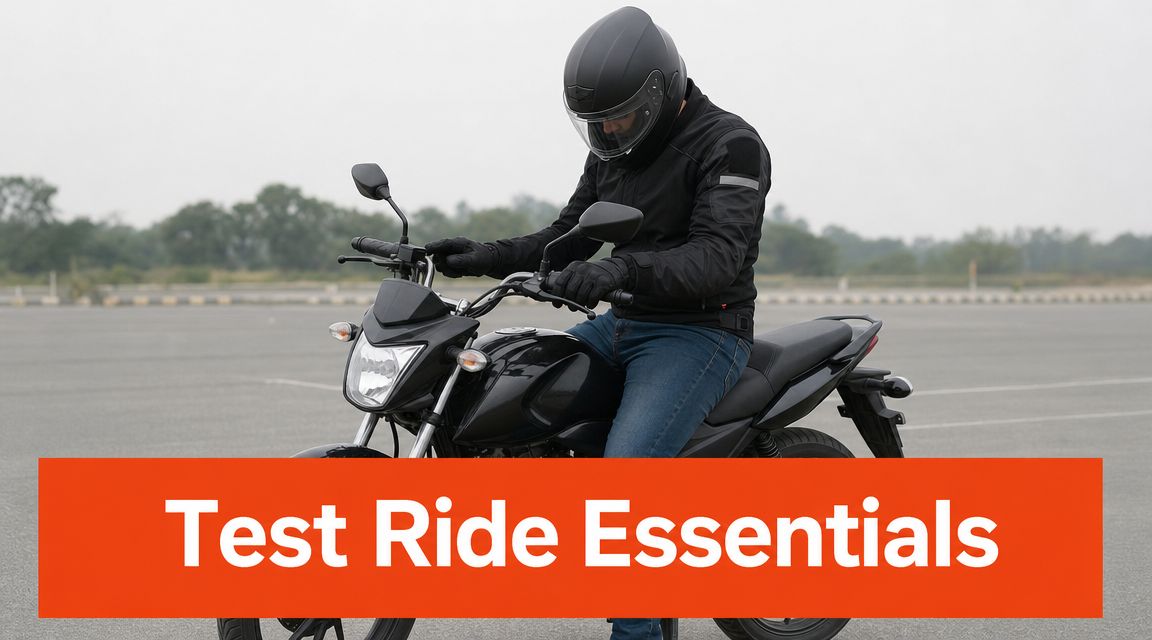
What you should feel before you move off
The clues start immediately. Does it fire up cleanly? Does the idle settle, or does it hunt around? Is the clutch bite predictable, or does it feel awkward and grabby?
Moving away from a standstill should be easy. On a healthy 125, the clutch shouldn't feel like an on-off switch, and the gearbox shouldn't fight every upshift.
Pay attention to feel, not speed. Ask yourself:
- Clutch take-up: Smooth or snatchy?
- Gear change: Positive or vague?
- Throttle response: Clean or hesitant?
- Brakes: Firm and progressive, not sponge-like.
- Steering: Straight and neutral, not heavy or twitchy.
A short road test video can also help you know what to listen for before you go viewing in person:
What a healthy 125 should do on the road
Buyers often get misled by advert claims about top speed. The number that matters more is whether the bike can sit at real road pace without feeling strained.
Independent UK guidance says 125cc motorcycles typically return 60 to 80 mph in practice, and the faster learner-legal examples are around 80 mph, while a healthy learner-legal 125 should hold 60 to 65 mph in top gear on a dual carriageway. It also notes that some trail-style bikes may only manage about 55 mph, and stronger fuel-injected road bikes near the 15 bhp limit are the better benchmark for UK A-roads, as explained in this guide to real-world 125cc performance.
That matters because some bikes are fine in town but miserable on faster roads.
If a road-biased 125 struggles to maintain ordinary A-road speed, don't talk yourself into it. You'll only resent it later.
During the ride, listen for engine noise under load, rattles from bodywork, and any wobble through the bars. A bike can idle perfectly and still feel tired once it's pulling hard in the upper gears.
Sorting the Paperwork Tax MOT and Insurance
This is the point where people get sloppy because the exciting part feels done. Don't hand over money until the legal side is tidy.
Get the V5C and MOT side right
The V5C matters because it links the seller, the registration, and the vehicle details. The names and details need to make sense. If the seller says they're “selling for a mate” and can't explain the paperwork properly, you're right to be cautious.
The MOT record is useful because it shows patterns. You're not only looking for a pass or fail. You're looking for repeated advisories, signs of neglect, and whether the bike's history matches the condition in front of you.
Keep the process simple:
- Check the V5C matches the bike
- Make sure you get the new keeper slip
- Read the MOT history before paying
- Don't assume tax transfers with the bike
If you ever need to understand how registration and proof-of-insurance issues are treated elsewhere, Florida registration and insurance defense offers a useful legal comparison for why document accuracy matters so much in vehicle use and enforcement.
Insurance must be ready before you ride away
You need insurance in place before you ride the bike home. Sort quotes before the day you view the bike, especially if you're a first-time rider and the premium could affect the whole purchase decision.
Road tax also needs dealing with immediately in your own name. Don't rely on what the seller says is “already on it”. That's not how it works for a change of keeper.
A seller who's organised will usually make this part quick. A disorganised one will make it sound complicated. That alone tells you something.
The True Cost Petrol vs Electric 125cc Equivalents
Most first-time buyers often miscalculate. They compare purchase prices and stop there.
That's understandable. A used petrol 125 with a low sticker price looks like the obvious budget option. But most buyer guides don't really answer whether a cheap used bike is still cheaper once you've lived with it for a while. That gap matters, especially in a market with wide condition differences and heavy stock variation, which is exactly the issue raised in this discussion of used-bike price and ownership-cost variance.

Why sticker price fools first-time buyers
A petrol 125 can be cheap to buy and still annoying to own. That usually happens when the bike needs regular mechanical attention or arrives with wear that wasn't obvious in the advert.
Common petrol-bike ownership jobs include:
- Routine servicing: Oil, filters, plugs, adjustments, and workshop time.
- Drive wear items: Chains and sprockets don't last forever.
- General upkeep: Tyres, brake pads, battery issues, corrosion, cables, and starter problems.
- Downtime cost: If you rely on the bike for work, a week off the road hurts.
Electric motorcycles and mopeds change that equation because the maintenance list is shorter. There's no oil service, no spark plug, no exhaust, and less engine-related hassle. For urban riders doing repetitive stop-start miles, that reduction in faff can matter as much as the running cost itself.
Petrol and electric compared in real ownership terms
Here's the sensible way to compare them. Not by hype. By ownership friction.
Cost FactorUsed Petrol 125ccPre-Owned Electric (e.g., from Flex Electric)Purchase priceUsually lower upfront in the used marketOften higher upfront, depending on age and battery confidenceEnergy costPetrol spend adds up with daily commuting or delivery workHome charging is usually simpler and cheaper to manageServicingMore regular engine-related maintenanceFewer routine mechanical service itemsWear-related surprise costsMore likely if the bike has been neglectedStill possible, but fewer powertrain service jobsTax and adminStandard petrol-bike ownership admin appliesElectric ownership can simplify some running-cost areasBest fitRiders who want a cheap entry point and accept mechanical upkeepRiders who prioritise lower hassle, simple commuting, and predictable use
A pre-owned electric bike can make particular sense if your use is local, regular, and practical. That's why riders often compare used petrol 125s with pre-owned electric scooters and motorcycles from specialists such as Flex Electric, especially when they want a machine with clearer after-sales support and less mechanical complexity than an older petrol commuter.
Cheap to buy isn't the same as cheap to own. On a daily-use bike, hassle is part of the cost.
For delivery riders, that trade-off is even sharper. If the bike is your income tool, lower maintenance and fewer workshop visits can be worth more than a low entry price.
How to Negotiate and Pay Securely
Approaches to negotiation are often either too soft or too aggressive. Neither works well. Good negotiation is calm, specific, and based on facts you can point at with your finger.
Negotiate from faults not feelings
Don't tell the seller you “just feel” it should be cheaper. Show them why your offer makes sense.
If the tyres are tired, the chain is near the end, the brake pads are low, and the service history is thin, that is your case. You're not insulting the bike. You're pricing in work that will become your problem after the handover.
A clean approach sounds like this:
- Start polite: Tell them you like the bike.
- List the issues: Mention only what you found.
- Make one clear offer: Don't play games with tiny back-and-forth increments.
- Be ready to leave: Walking away is often what keeps you from overpaying.
The strongest buyers stay unemotional. If the seller won't move and the bike isn't right, leave it.
Pay in a way that protects you
Private sales need a payment method that both sides can verify. Cash still gets used, but it carries obvious risks. A direct bank transfer is usually cleaner, easier to evidence, and safer for larger sums.
Before you transfer anything, make sure you have:
- The keys in front of you
- The V5C process underway or completed correctly
- A written receipt
- The bike exactly as agreed
Don't pay a holding deposit to a stranger unless you're fully comfortable with the risk. Don't send money because the seller claims there are “loads of people interested”. Pressure is a warning sign, not a reason to move faster.
Your Next Steps to Two-Wheeled Freedom
The right used 125 is still one of the easiest ways into motorcycling. Done properly, it gives you freedom, low fuel use, and an easy route into commuting or work on two wheels. Done badly, it turns into repairs, downtime, and constant annoyance.
Stay patient. Check the bike cold. Ride it properly. Read the paperwork. If anything doesn't add up, leave it. There will always be another listing.
If you do buy, protect what you've paid for. Good storage, regular cleaning, and proper paint protection help more than people think, especially on year-round commuter bikes. A practical guide to ceramic coating for motorcycles is worth a look if you want to keep corrosion, road grime, and weathering under control.
The bigger decision is whether you want an older petrol 125 or a used electric equivalent. If you're mostly riding in town and you care about low hassle, electric deserves a serious look. If you enjoy simple petrol-bike ownership and don't mind maintenance, a tidy used 125 still does the job well.
If you're weighing up petrol against a pre-owned electric moped or motorcycle, take a look at Flex Electric. They focus on electric motorcycles, mopeds, off-road electric motorcycles, and kids motocross bikes, with used options that can suit commuters and delivery riders who want simpler running costs and less maintenance hassle.
Find us
You will find us at 74 Dalry Road, Edinburgh, EH11 2AY
Showroom Opening Times:
Monday: By Appointment
Tuesday to Friday: 11am - 5:00pm
Saturday: 10am - 5pm
Sunday: By Appointment
