
Electric Motorcycles for Sale UK: 2026 Guide
Flex Electric
The UK's #1 Electric Moped and Electric Motorbike dealer.

You’re probably looking at electric motorcycles for sale uk because the usual maths no longer feels convincing. Petrol costs sting, city riding gets more frustrating every year, and a lot of first-time buyers don’t want to spend good money on the wrong machine. The problem is that most buying guides either drown you in specs or push whatever happens to be in stock.
A better way to buy is to start with your actual use. School run. Train-station commute. Food delivery shift. Weekend ride. Business fleet. Those jobs need different bikes, different charging habits, and very different expectations around comfort, storage, power, and running costs.
That’s where electric motorcycles make sense when you choose properly. Not because they’re fashionable, but because the right bike can be quiet, simple to live with, easier to charge than people expect, and far cheaper to run day to day than many buyers assume. The wrong one, though, will annoy you quickly.
Table of Contents
- Why 2026 is the Year to Go Electric
- Electric mopeds and scooters
- Commuter motorcycles
- Performance motorcycles
- Off-road bikes and kids MX bikes
- Urban commuters
- Food delivery riders
- Business fleets
- Performance riders
Why 2026 is the Year to Go Electric
A typical UK rider is no longer asking whether electric works. The real question is whether it fits the week ahead. A commuter looking at a 14-mile each-way trip, a delivery rider doing repeated short runs across town, and a business replacing petrol scooters all care about the same thing. Running costs, charging routine, reliability, and whether the bike earns its keep.
That is why 2026 is a sensible time to buy. The technology is now mature enough for everyday use in the right jobs, and buyers have more than one route in. Electric two-wheelers are no longer a niche option reserved for early adopters or premium budgets. They now cover short-hop urban transport, daily commuting, commercial use, and higher-performance riding, but only if you match the bike to the job.
The biggest shift is economic. Petrol, servicing, and wear from stop-start riding add up quickly in UK use, especially for riders covering regular urban miles. Electric bikes cut several of those ongoing costs. You still need to budget for tyres, brakes, insurance, and battery charging, but the day-to-day maths often improves fastest for riders who use their bike frequently rather than occasionally.
That matters for three groups in particular.
City commuters can make good use of home charging, lower running costs, and easy traffic work. Delivery riders need a machine that spends more time earning and less time off the road for maintenance. Businesses buying multiple bikes need predictable operating costs and a clear replacement plan, not just a low headline purchase price.
Practical rule: Buy for your weekly routine, not for the most exciting brochure figure.
There is also less compromise in the market than there was a few years ago. Buyers can now choose from basic urban scooters, 125cc-equivalent commuter bikes, larger road machines, and specialist off-road models. That wider choice helps, but it also creates confusion. A bike that works well for a London courier can be the wrong purchase for a rider doing mixed A-road commuting in Yorkshire.
The best time to go electric is when the total cost of ownership and your real use pattern line up. In 2026, more UK riders are reaching that point. If the bike suits your licence, route length, charging access, and weekly mileage, electric can be the practical choice, not the experimental one.
Choosing Your Electric Ride Type
The UK market now stretches from electric mopeds starting around £2,000 to £3,000 to premium high-performance models up to £30,000, as outlined in this guide to electric motorcycles in the UK. That range is useful, but it also creates confusion. Buyers compare bikes that aren’t meant to do the same job.

Electric mopeds and scooters
These are the easiest entry point for many riders. They suit short urban journeys, stop-start traffic, local errands, and riders who care more about simplicity than outright speed. If you want twist-and-go convenience, easy parking, and a low-stress first step into electric riding, this is usually where to start.
They also make sense for delivery work in dense urban areas where agility matters more than top-end performance. Many buyers in this category want a practical machine with storage options, straightforward charging, and low running hassle.
Commuter motorcycles
This is the category most first-time buyers mean when they search for electric motorcycles for sale uk. Think 125cc-equivalent electric motorbikes designed for everyday road use. They’re better suited to mixed town and suburban riding than a basic moped, and they usually give you a more conventional motorcycle feel in terms of riding position, stability, and road presence.
A commuter electric motorcycle works well if you need a daily ride that can handle more than a quick city hop. It’s often the sweet spot for buyers moving up from public transport or replacing a petrol 125.
If your ride includes faster roads, longer round trips, or you simply want a bike that feels less utilitarian, a commuter model is often the safer long-term choice.
Performance motorcycles
Electric can become very impressive, very quickly. Performance models deliver strong acceleration, more advanced rider aids, and a far more premium feel. They’re aimed at experienced riders, enthusiasts, and buyers who want more than basic transport.
The mistake here is buying one for the wrong reason. If your riding is mostly short city hops and occasional errands, a premium machine can be expensive overkill. If you ride longer distances, value rapid charging, or want cutting-edge performance, then the investment may make sense.
Off-road bikes and kids MX bikes
This is a separate lane entirely. Off-road electric motorcycles and kids motocross bikes are for private land, tracks, and controlled riding environments where low noise, simple maintenance, and predictable power delivery are major advantages.
For younger riders, parents often value the easier starting procedure and reduced mechanical complexity compared with petrol alternatives. For adults, off-road electric bikes can be a strong fit when you want instant torque and less maintenance between rides. Just keep the intended use clear. A road-legal commuter and a kids MX bike may both be electric, but they solve completely different problems.
Your Essential UK Buyer's Checklist
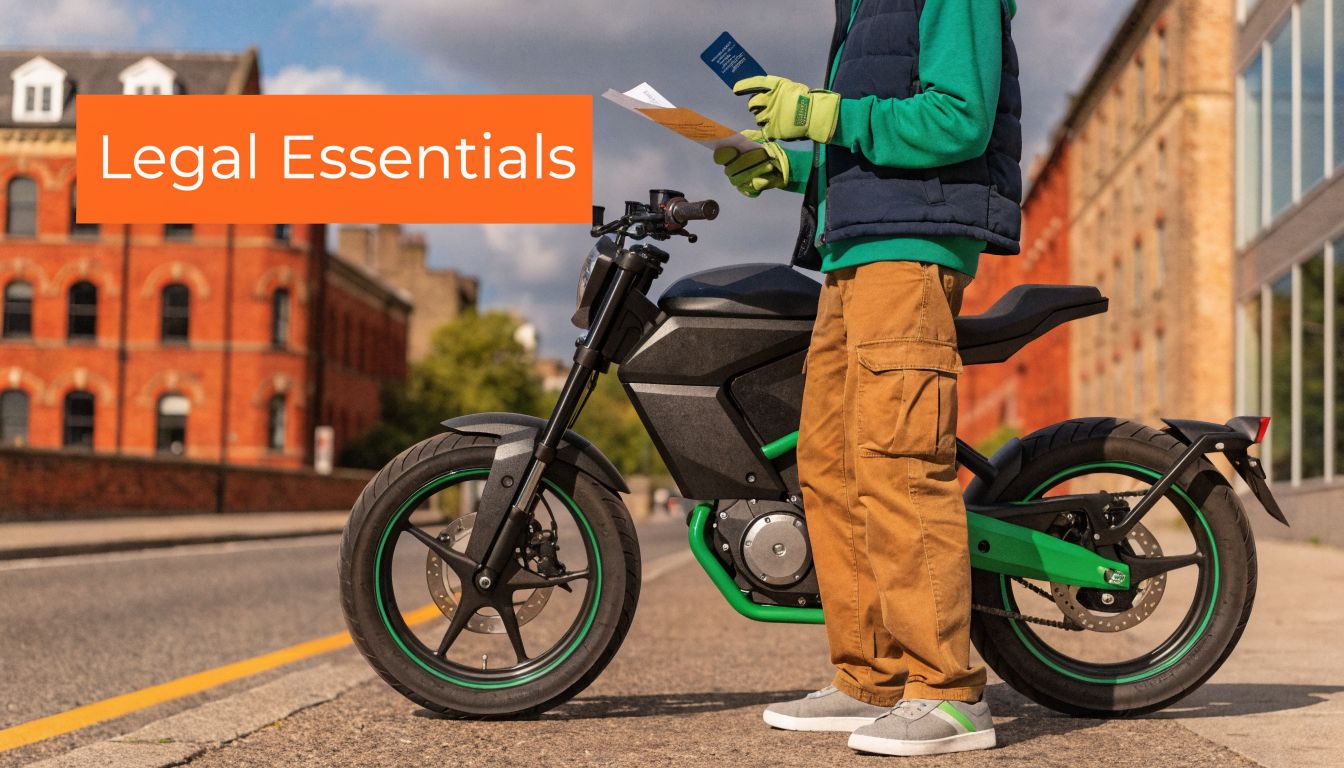
A lot of first-time buyers start by comparing range, top speed, and touchscreen features. The better starting point is simpler. Check whether you can ride it legally, insure it at a sensible monthly cost, and charge it without turning every week into a planning exercise.
Get those three right and the bike usually fits your life far better.
Licence first, model second
In the UK, an A1 licence limits you to 11kW continuous power, while an A2 licence allows up to 35kW, as explained in this overview of electric motorcycle licensing in the UK. For electric motorcycles, that detail matters because continuous power decides the licence category, not the brief peak surge you feel when pulling away.
That catches new buyers out. A bike may feel punchy in town and still sit within learner-legal limits. It can also work the other way round. A bike that looks modest in photos may fall outside the category you assumed. Check the stated continuous output before you spend time comparing trims or accessories.
Use this filter before you browse:
- On an A1 licence: Focus on lighter urban bikes designed for shorter commutes, training, and lower running costs.
- On an A2 licence: Look at the wider commuter market, where you start to get more flexibility for dual carriageways and longer daily mileage.
- With a full A licence: You can consider larger machines, but higher purchase price, tyre wear, and insurance often rise with performance.
Insurance and charging checks
Insurance is where total cost of ownership starts to become real. The same motorcycle can produce very different quotes depending on where it is kept, whether it is used for commuting or courier work, and who is riding it. Delivery riders need to be especially careful here because social, domestic and pleasure cover is not the same as hire-and-reward use.
Get quotes early. Do it before a test ride if possible.
Charging deserves the same level of honesty. Public charging exists and the UK network is growing, as noted earlier, but access on paper is not the same as a routine that works at 6:30am before a commute or halfway through a delivery shift in bad weather. For many riders, home charging is what makes electric ownership cheap and easy. For businesses, depot or workplace charging usually matters more than the public map.
Ask yourself:
- Home charging: Can you charge overnight where the bike is parked, and is that parking secure?
- Workplace charging: Can you top up during the day if your round trip is close to the bike’s practical range?
- Public charging: Are the chargers on your real route, available when you need them, and compatible with the bike you’re considering?
If you’re spreading the cost, compare motorcycle finance with wider EV borrowing options so you can judge the monthly outlay against fuel savings, servicing, and expected mileage. A specialist product like an Electric Vehicle Loan can be useful as a reference point when you’re weighing up affordability.
CheckWhat to confirmWhy it mattersLicenceA1, A2, or full A categoryDecides what you can legally rideInsuranceUsage type, storage, and business use if applicableChanges premium, cover terms, and total monthly costChargingHome, work, or public routineDecides whether the bike fits your week without hassle
Decoding Real-World Performance Specs
Spec sheets are useful, but they’re also where buyers get misled. A claimed range figure, a charging claim, or a big power number doesn’t tell you enough on its own. You need to translate those figures into a normal UK week of riding.
Range that fits your week
Two bikes can both look impressive on paper and still suit completely different riders. The LiveWire ONE offers a 95-mile range with a 1-hour fast charge, while the Verge TS Pro offers a 370-mile range with a 10-minute fast charge, as described in this LiveWire ONE reference page. Those numbers don’t tell you which is “better”. They tell you who each bike is for.
For a commuter, the LiveWire-style setup can make excellent sense. If your bike covers normal daily travel and can fast-charge conveniently, you may never need huge range. A bike with moderate range and sensible charging can be easier to live with than a larger, heavier machine bought for journeys you rarely make.
For a high-mileage professional rider, it’s different. Delivery work, long shifts, and repeated urban mileage punish poor charging strategy. In that case, very fast charging and much longer range can directly affect how useful the bike is across a full working day.
Bigger range isn’t automatically better. Useful range is the range that removes friction from your actual routine.
Power and charging in real use
Power should be read as usability, not bragging rights. Ask what kind of roads you ride, how often you carry luggage, and whether your route demands quick overtakes or mostly low-speed filtering. A learner-friendly commuter with modest figures can feel absolutely right in town and absolutely wrong on faster roads.
Charging speed needs the same honesty. Here’s the useful question: how disruptive is charging for the way you ride?
- For commuters: Overnight charging or occasional top-ups often work well.
- For delivery riders: Mid-shift downtime can be a genuine earnings issue.
- For enthusiasts: Fast charging matters more if you ride longer distances or want the bike ready again quickly.
A useful way to compare bikes is to treat range, charging, and bike type as one package.
Rider typeWhat matters mostSpec pattern that usually worksDaily commuterReliability and manageable chargingModerate range, practical chargingDelivery riderLong duty cyclesHigher range, faster top-up capabilityEnthusiastPerformance plus convenienceStrong acceleration with robust charging support
The wrong habit is shopping by top speed alone. The right habit is asking whether the bike stays convenient after the first week of ownership.
Matching an Electric Motorcycle to Your Life
A rider in central London doing 12 miles a day needs a very different bike from someone covering a full delivery shift in Manchester or a business running three bikes across multiple staff. That is where a lot of buyers go wrong. They shop by headline spec or sticker price, then live with the compromise later.
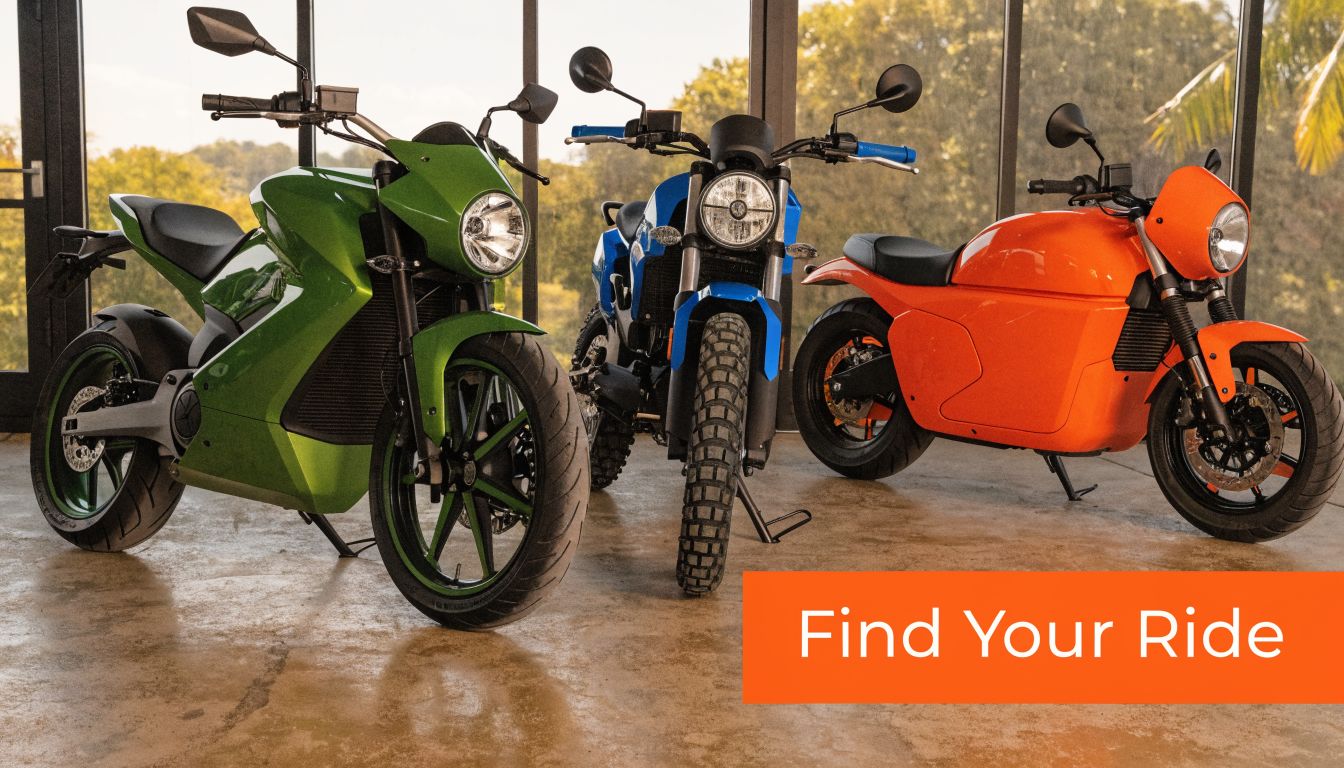
The right question is simpler. Which bike stays cheap, easy, and useful for the way you ride in the UK?
Urban commuters
For commuting, consistency matters more than drama. A good commuter bike should be easy to live with on wet mornings, simple to park, cheap to run, and comfortable in stop-start traffic. In practice, that usually points buyers toward electric mopeds, scooters, and 125cc-equivalent motorcycles.
Brands such as Super Soco and Vmoto suit this part of the market because they focus on everyday road use rather than weekend bragging rights. If your week is made up of station runs, city traffic, office parking, and short suburban hops, paying extra for performance you will rarely use usually makes little sense.
I often advise first-time buyers to look at friction, not fantasy. Can you charge it easily at home. Will it filter cleanly. Does it feel light enough to move around by hand. Those details shape ownership far more than a flashy top speed figure.
Food delivery riders
Delivery work is a different calculation. Earnings depend on uptime, and uptime depends on choosing a bike that fits long shifts, repeated stops, and regular charging without wasting time. As noted in this discussion of the delivery rider ownership gap, many guides still don’t address the financial case for delivery work.
For a delivery rider, the purchase price is only the starting point. Tyres wear faster. Brake use is heavier. Luggage setup matters from day one. Charging routine can affect how many jobs you can complete in a shift. A bike that looks cheap on paper can cost you more if it spends too long plugged in or too often off the road.
A practical delivery bike should do four jobs well:
- Stay controlled at low speed: Smooth pull-away and predictable throttle response matter in traffic and at kerbsides.
- Carry cargo properly: Racks, top boxes, and secure mounting points should be easy to fit and sturdy in daily use.
- Keep charging disruption low: If the battery routine does not fit your shift pattern, the bike becomes harder to earn from.
- Cope with high mileage: Delivery use exposes weak consumables, poor weather protection, and awkward servicing quickly.
For this kind of work, a durable electric scooter or commuter motorcycle usually beats a heavier performance-led machine. The best option is the one that keeps you working, keeps costs predictable, and does not create avoidable downtime.
Here’s a closer look at different riding styles in action:
Business fleets
Fleet buying is less about individual preference and more about repeatable operation. Restaurants, florists, venues, and local service firms usually need bikes that different staff members can ride with minimal training, charge without confusion, and keep on the road without constant attention.
Lower-power commuter models often make the strongest business case because they are easier to standardise across the fleet. That helps with training, accessories, replacement parts, and day-to-day handovers between riders.
Fleet bikes should be easy to operate, easy to charge, and easy to return to service. Fancy specs rarely matter if the bike is off the road.
The smart fleet decision is usually the one that reduces total running costs across a year, not the one with the most impressive brochure. If one model makes charging simpler, cuts servicing headaches, and suits multiple riders, it will usually outperform a more expensive alternative in real business use.
Performance riders
Enthusiast buyers have a different set of priorities. Acceleration, build quality, electronics, and a sharper ride all matter more here, which is why bikes like LiveWire appeal where entry-level commuter models do not.
Still, it pays to be honest about how the bike will be used. If most rides are short urban trips with the occasional weekend blast, a premium machine is a lifestyle choice as much as a practical one. There is nothing wrong with that. It just helps to recognise when you are paying for enjoyment rather than solving a daily transport problem.
Ownership Made Simple with Flex Electric
A good buying experience isn’t just about picking a bike. It’s about removing the usual friction around finance, delivery, support, and the awkward questions that first-time buyers often feel they should already know.
What removes stress from the buying process
The strongest ownership setups tend to have the same features in place. Clear finance options. Clear warranty terms. Clear aftercare. If any of those are vague, buyers usually feel it later.
With Flex Electric, the practical appeal is straightforward. Buyers can access Hire Purchase and PCP options with no minimum deposit required, get UK-wide delivery from the Edinburgh showroom, and receive cover that includes a 2-year parts warranty and 3-year battery warranty. That combination matters because it addresses the questions people ask before buying, not just the exciting bits.
There’s also a useful range spread. Some riders need an entry-level moped or scooter. Others want a road-legal commuter motorbike. Others are shopping for off-road machines or kids MX bikes. A specialist dealer is most useful when the advice changes with the use case, rather than pushing every buyer toward the same answer.
Good aftercare is boring in the best possible way. It means fewer surprises once the bike is yours.
What to sort before delivery day
A smooth handover usually comes down to basics done properly. Before the bike arrives, get the essentials lined up:
- Storage: Know where the bike will live and how you’ll secure it.
- Charging plan: Have your charging routine worked out before day one.
- Rider kit: Helmet, lock, and weather-ready gear should be ready immediately.
- Practical add-ons: Racks, top boxes, phone mounts, and luggage matter if the bike is replacing daily transport.
This part often gets overlooked because buyers focus on the machine itself. In practice, ownership feels easy when the whole setup works together. Bike, charging, storage, security, and accessories all need to match the job the bike is there to do.
Your Path to Electric Riding Starts Here
Buying the right electric motorcycle comes down to a few grounded decisions. Pick the category that matches your life. Check your licence before comparing models. Be realistic about charging. Read range and power as everyday usability, not showroom theatre. Then look at ownership costs over time, especially if the bike is going to earn its keep.
That process usually narrows the field quickly. A commuter doesn’t need a track-minded machine. A delivery rider shouldn’t buy on looks alone. A business fleet should value consistency over excitement. And a performance rider should know when they’re paying for an experience rather than simple transport.
Once you approach electric motorcycles for sale uk that way, the market becomes much easier to understand. You stop asking, “Which bike is best?” and start asking, “Which bike fits my riding properly?” That’s the question that saves money, avoids frustration, and leads to a bike you’ll still be happy with months later.
If you’re ready to compare real-world electric mopeds, commuter motorbikes, off-road models, or kids MX bikes, take a look at Flex Electric and choose from a range that’s built around practical UK riding needs.
Find us
You will find us at 74 Dalry Road, Edinburgh, EH11 2AY
Showroom Opening Times:
Monday: By Appointment
Tuesday to Friday: 11am - 5:00pm
Saturday: 10am - 5pm
Sunday: By Appointment
