
Buying a Used Electric Motorcycle: Smart Tips

Flex Electric
The UK's #1 Electric Moped and Electric Motorbike dealer.

You're probably looking at the numbers on your current bike, or your fuel receipts, and wondering whether a used electric bike, scooter or moped could make daily life cheaper without becoming a headache. That's the right question.
A lot of first-time buyers focus on top speed, quoted range, or whether the bike looks like a bargain. In practice, the smarter question is simpler. What condition is the battery in, and will this bike still make financial sense a year from now? That's where many private sales fall apart. The bike might look tidy, but if nobody can tell you the battery health with confidence, you're guessing on the most expensive part of the machine.
The good news is that there are solid used electric motorcycles for sale uk buyers can choose from, especially if your riding is mainly urban, commuter-based, delivery-focused, or short-to-medium mixed use. The bad news is that the used market still needs careful filtering. If you know what to check, you can avoid most of the expensive mistakes.
Table of Contents
- Why battery health matters more than mileage
- What to ask before you even ride it
- What to check at the viewing
- How to judge long-term value, not just today's condition
- Start with the charging and electrical side
- Then inspect the bike like a motorcycle
- Documents matter as much as hardware
- The continuous power rule buyers miss
- Paperwork to verify before you pay
- Insurance is usually straightforward if the details are right
- Urban commuters and first-time riders
- Delivery riders and business use
- Performance riders and enthusiasts
- Off-road and kids motocross use
The UK Used Electric Motorcycle Market in 2026
If you're buying used, the market is small enough that you can't shop it the same way you'd shop a used petrol 125. You need to be pickier, and that's not a bad thing.
The broader UK used motorcycle scene is busy. According to the market summary referenced by IMARC's UK electric motorcycles market overview, there were over 3 million motorcycles and scooters registered in the UK up to late 2024, and about 505,000 changed hands in that year. Against that backdrop, used electric models are still a very small slice.
That same market summary notes that used electric motorcycle sales were around 4,000 at the end of 2023, falling to 3,750 by the end of 2024, while used ICE bike sales increased over the same period. In plain English, electric is still a niche in the used market, and right now it behaves like a niche. Choice can be patchy, pricing can be inconsistent, and plenty of sellers still don't understand the product they're advertising.
Why that creates an opportunity
A small market sounds like a problem, but it can work in your favour if you buy carefully. When demand is cautious and buyers are worried about battery condition, some used electric bikes sit longer than they should. That gives informed buyers room to be selective.
Practical rule: Don't treat a used electric bike as a cheap experiment. Treat it like a battery purchase with a motorcycle attached.
This matters most for urban riders. If your real life is school runs, city commuting, station hops, local business work, or food delivery, a lot of the used market's weaknesses become less important. You don't need continent-crossing range. You need reliable charging, predictable costs, and a bike that starts every time.
What works and what doesn't
What works in the current market is well-documented, low-to-mid power urban machinery. Used Super Soco, Vmoto, Segway-style commuter bikes and mopeds make sense when the battery history is clear and the bike matches the job.
What doesn't work is buying blind because the asking price looks low. The market still has expensive premium used models, and some higher-end bikes remain priced well above what many commuters or new riders want to spend. A cheap-looking listing can also hide the exact issue that puts buyers off: uncertain battery condition, no useful paperwork, and no after-sales support.
If you're searching used electric motorcycles for sale uk listings today, the market is best viewed as a buyer's market with homework attached. That homework starts with costs, then moves straight to battery health.
Electric vs Petrol A Real-World Cost Comparison
The strongest reason to buy used electric isn't novelty. It's running cost.
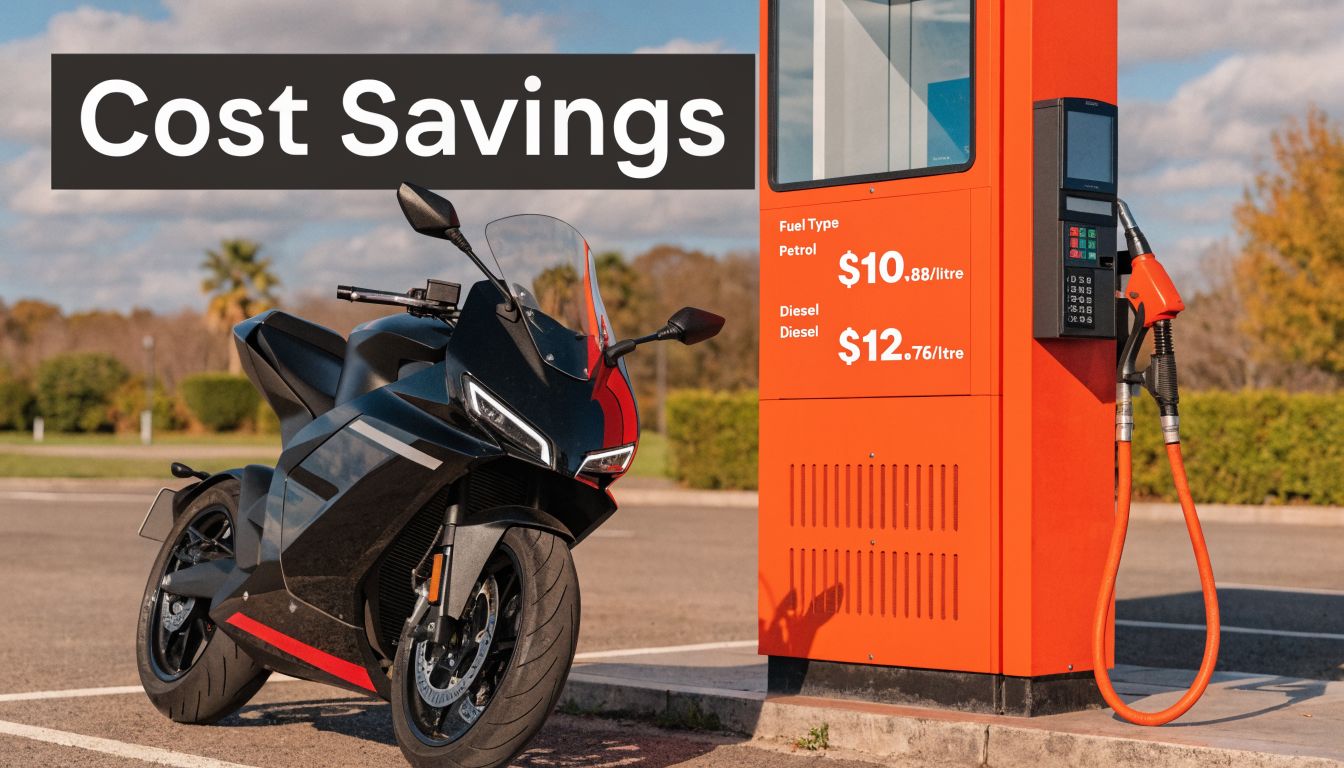
A lot of riders compare purchase price only. That's the wrong comparison. The better one is what the bike costs you every week you own it. On that measure, used electric often makes a lot of sense for commuters and delivery riders.
According to English Electric Motor Co's used bikes guidance, used electric motorcycles can deliver an 80 to 90% reduction in maintenance costs, with services from £60, compared with £200+ annually for a 125cc petrol bike. The same source says total cost of ownership can be as low as £0.04 per mile, and a delivery rider may recoup the initial outlay in 12 to 18 months through fuel and servicing savings.
Where electric saves money
The everyday savings come from simple mechanical reality. An electric drivetrain has fewer routine wear items to service. No oil changes. No exhaust system to worry about. No clutch wear in the usual sense. Fewer heat-related problems from constant stop-start work.
Here's the comparison most buyers should use.
ExpenseUsed Electric Motorcycle (e.g., Super Soco CPx)Used Petrol 125cc (e.g., Honda PCX)Energy or fuelLower day-to-day running costHigher day-to-day running costAnnual servicingServices can be as low as £60Often £200+ annuallyRoutine maintenanceReduced mechanical maintenanceMore regular consumable and engine-related upkeepCost per mileCan be as low as £0.04/mileTypically higher overall running costDelivery work suitabilityStrong if range fits the shiftStrong if fast refuelling is essential
That table won't answer every use case, but it captures the pattern. If your riding is repetitive and local, electric tends to look stronger the more miles you do.
On a commuter or delivery bike, boring reliability matters more than headline performance.
Where petrol still has an edge
Petrol still suits riders who need quick refuelling, flexible long-distance travel, or don't have dependable charging access. If you regularly ride beyond the bike's realistic working range, petrol is easier. If your use is irregular and low-mileage, the savings from electric can take longer to feel meaningful.
There's also the used pricing question. Some premium electric bikes still hold used prices that make them hard to justify purely as money-saving tools. For a rider doing short city miles, a sensible 50cc or 125cc-equivalent electric model usually makes more sense than an expensive performance bike bought on hope.
The riding experience is different too. Electric feels cleaner and more immediate. The torque arrives straight away, which is excellent in town. Petrol still feels more familiar to many riders, especially if they're used to the sound, shift pattern and refuelling rhythm of conventional bikes.
If cost is the main driver, don't buy prestige. Buy the bike that matches your route, charging setup, and weekly mileage.
How to Assess Battery Health The Most Critical Check
You find a tidy used electric bike. The panels are clean, the tyres look decent, and the seller says the range is “still good.” For a first-time buyer, that can sound reassuring. It isn't enough. On a used electric motorcycle, battery condition decides whether you are buying solid value or inheriting the most expensive problem on the bike.
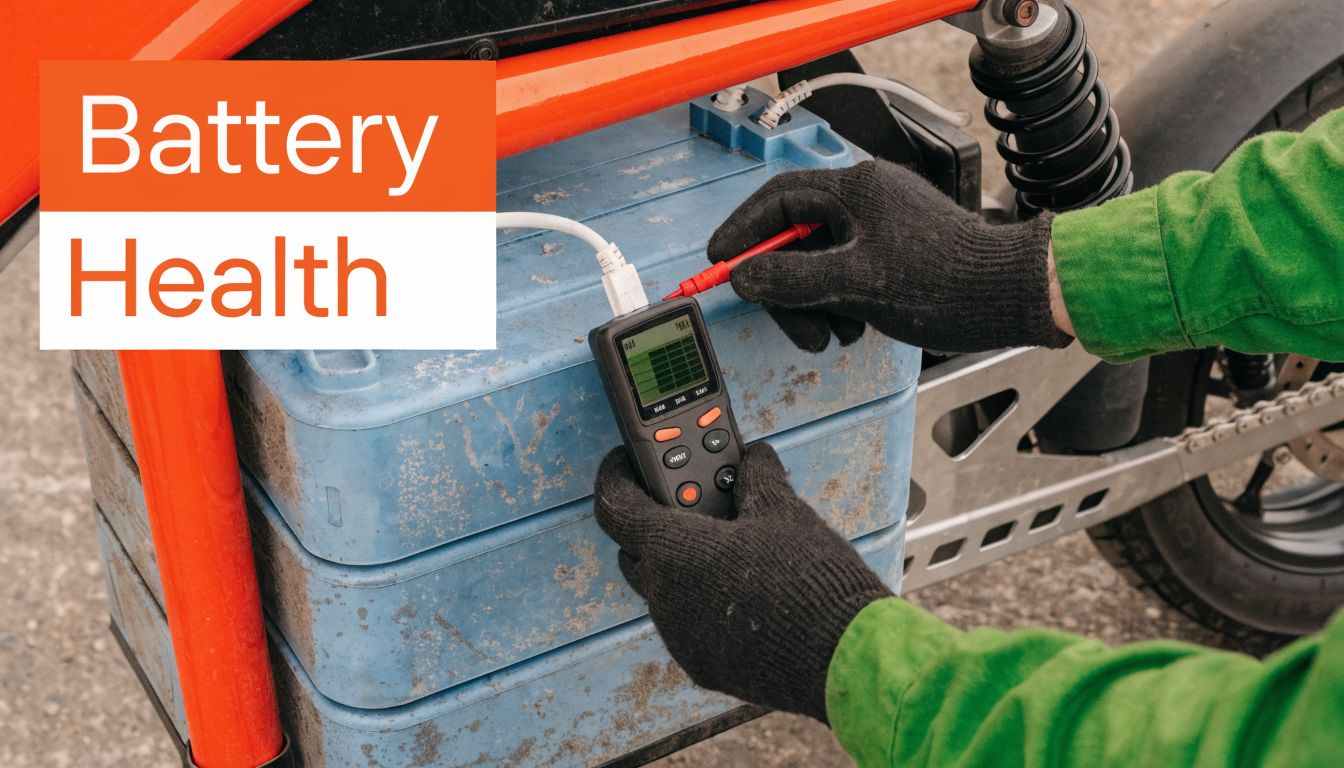
Cosmetic wear is easy to price. Battery degradation is not. A scuffed fairing can be ignored for months. A tired battery cuts range, affects performance, weakens resale value, and can turn a cheap bike into an expensive one very quickly.
That is the part many private sellers and general used dealers gloss over.
Why battery health matters more than mileage
Mileage still has some value as a clue, but it does not tell the full story on an electric bike. State of Health, usually shortened to SoH, is the figure that matters more. It describes how much usable capacity the battery still holds compared with when it was new.
I have seen low-mileage bikes with disappointing batteries because they were left flat, stored badly through winter, or rarely used and poorly maintained. I have also seen higher-mileage bikes that were the better buy because they had been charged sensibly, ridden regularly, and kept in a stable condition. The odometer alone will not sort good stock from bad stock.
If you want a broader plain-English read on battery lifespan and owner concerns, this piece on EV-batterij advies voor Belgische drivers is useful. It's written for a different market, but the battery logic carries over well.
Buy the battery story first. Buy the bodywork second.
What to ask before you even ride it
Start with straightforward questions and listen for clear answers.
Ask how the battery was stored, whether it was kept charged within the maker's recommended range, whether it has removable battery modules, and whether any diagnostic printout or health report exists. Ask if the battery is original, replaced, repaired, or still under any manufacturer support. A seller who knows the bike should be able to answer without bluffing.
Vague replies matter. “It's always been fine” is not evidence. Neither is “they all do that.”
What to check at the viewing
Use the dash, the charger, and the test ride together. One clue on its own can mislead you. A full picture usually comes from several small checks lining up.
- Charge level at inspection: Try to see the bike at a normal state of charge, not only at 100%. Some battery problems are easier to spot away from a fresh full charge.
- Displayed range estimate: Treat the number on the dash as a guide, not a promise. Watch how quickly it changes once you ride.
- Battery percentage drop: During a short, sensible test ride, the percentage should fall in a believable way. A sharp drop after mild use deserves closer questioning.
- Power delivery: Acceleration should feel smooth and consistent. Surging, hesitation, or sudden softening under load can point to battery or controller issues.
- Charging behaviour: If possible, plug the bike in and confirm it starts charging properly, without errors, overheating, or intermittent connection.
- Battery casing and mounts: Check for cracks, swelling, impact marks, corrosion, fluid signs, missing fasteners, or evidence that someone has been inside the pack or around its fixings.
A useful walkthrough can help if this is all new to you.
How to judge long-term value, not just today's condition
A used electric bike with a weaker battery can still be worth buying if the price reflects it. That is the practical trade-off. The mistake is paying strong money for a bike whose battery health is unknown.
Work backwards from your real use. If you need reliable weekday commuting, do not judge the bike on its best-case dash figure or the seller's optimistic range claim. Judge it on whether the current battery condition gives you enough headroom for cold weather, traffic, detours, and normal degradation over the next few years. If the bike only just covers your route today, it is already too close to the line.
That is how experienced buyers avoid false bargains. The battery is not one item on the checklist. It is the core of the bike's value.
Your Essential Pre-Purchase Inspection Checklist
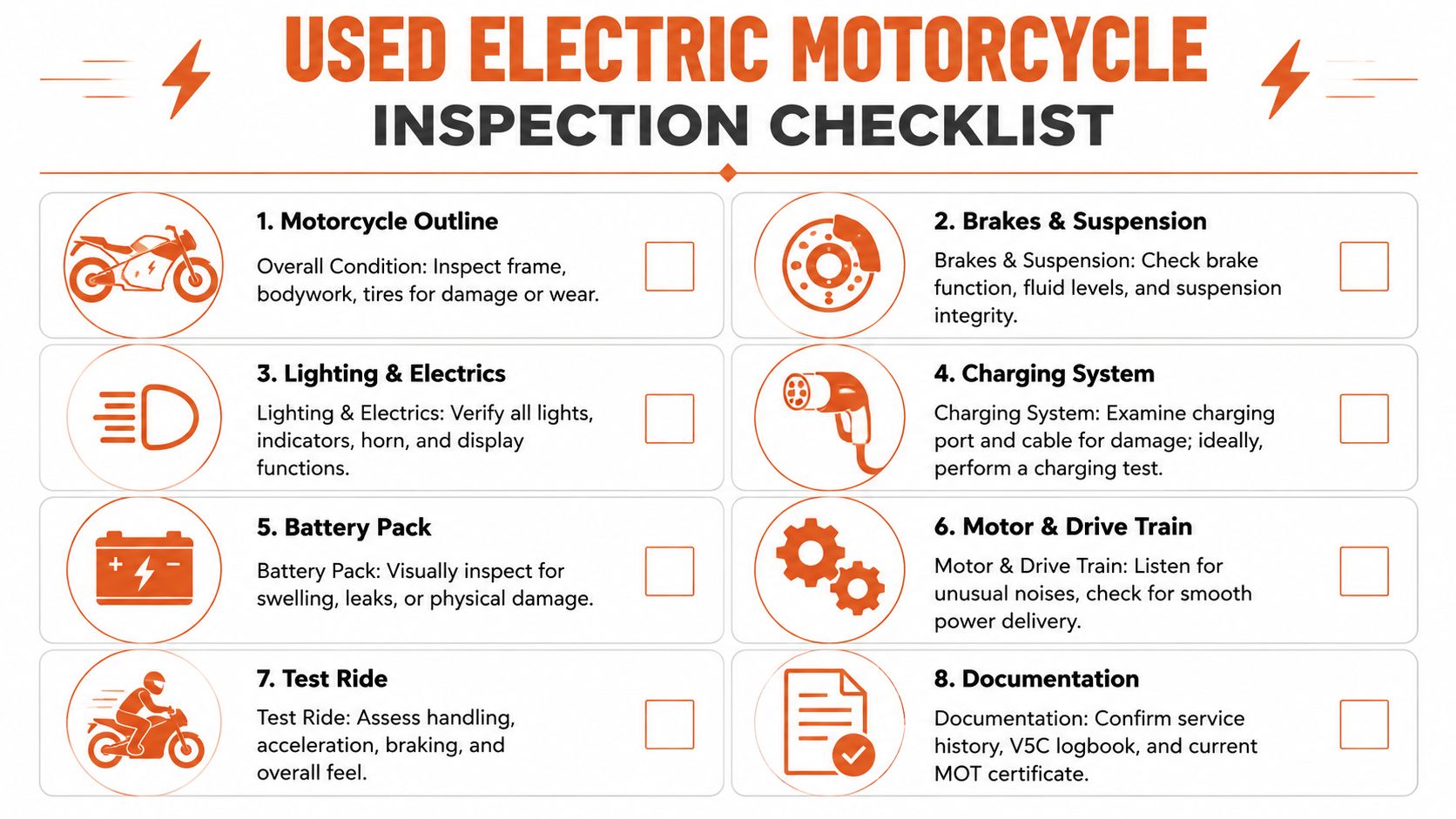
Once the battery conversation is clear, inspect the bike properly. Electric bikes need a slightly different routine from petrol bikes, but the basic discipline is the same. Walk around the machine slowly, touch things, and don't let the seller rush you.
Start with the charging and electrical side
Here, electric-specific problems often show themselves.
- Charging port condition: Look for bent pins, corrosion, loose fittings, cracked surrounds, or a flap that doesn't seal properly.
- Charging cable and charger: Check for damaged insulation, poor repairs, overheated plugs, or missing original charging equipment.
- Display and dash warnings: Turn the bike on and make sure the display lights up cleanly with no unexplained fault indicators.
- Lights, indicators and horn: Test everything. If a bike has small electrical gremlins in obvious items, there may be bigger ones deeper in the loom.
- Wiring loom: Look around exposed sections for rubbing, water ingress, poor tape jobs, green corrosion, or modifications done badly.
Then inspect the bike like a motorcycle
Electric doesn't mean maintenance-free. It still has a frame, suspension, brakes, tyres and cycle parts that wear out.
Use this quick sequence:
- Frame and bodywork
Check for crash damage, rippled paint, bent levers, cracked plastics, or footrest damage that suggests it's been dropped harder than the seller admits. - Tyres and wheels
Uneven tyre wear can point to poor maintenance or alignment issues. Kerbed wheels on a commuter moped also tell a story. - Brakes
Regenerative braking can reduce pad wear, so don't assume little wear means little use. Make sure the brakes still bite properly and the discs aren't heavily scored. - Suspension
Push down on the bike and feel for smooth movement. Watch for leaking fork seals and tired rear shocks. - Drive system
Depending on the bike, inspect the belt, chain, or final drive setup. Power should come in smoothly without clunks or strange noises.
If a used electric bike feels rough at low speed, don't assume that's “just how electrics are”. Most healthy ones feel very smooth.
Documents matter as much as hardware
Before money changes hands, confirm the V5C logbook, service records if available, and current MOT certificate if the bike requires one. Make sure the registration details and frame details match the machine in front of you.
A proper test ride ties everything together. You're checking more than speed. You're checking whether the bike tracks straight, brakes evenly, charges normally, and behaves consistently from pull-away to stop.
UK Licensing Paperwork and Insurance Explained
Licensing catches out more first-time electric buyers than it should. The reason is simple. Electric motorcycles aren't always classified in the way petrol riders expect.
The continuous power rule buyers miss
In the UK, electric motorcycle licensing is based on continuous rated power, not peak power. As noted in Autotrader's electric bike listings guidance, that means an A1 licence holder aged 17+ with CBT can legally ride a bike like the Zero S if it has an 11kW continuous rating, even though its peak output is 34kW.
That matters because electric bikes often feel quicker than their licence category suggests. Instant torque changes the riding experience, especially away from lights and in city traffic. For a new rider, that can be brilliant or a bit surprising depending on what they expected.
Check the licence category from the bike's official continuous rating, not from a sales advert that only talks about peak output.
Paperwork to verify before you pay
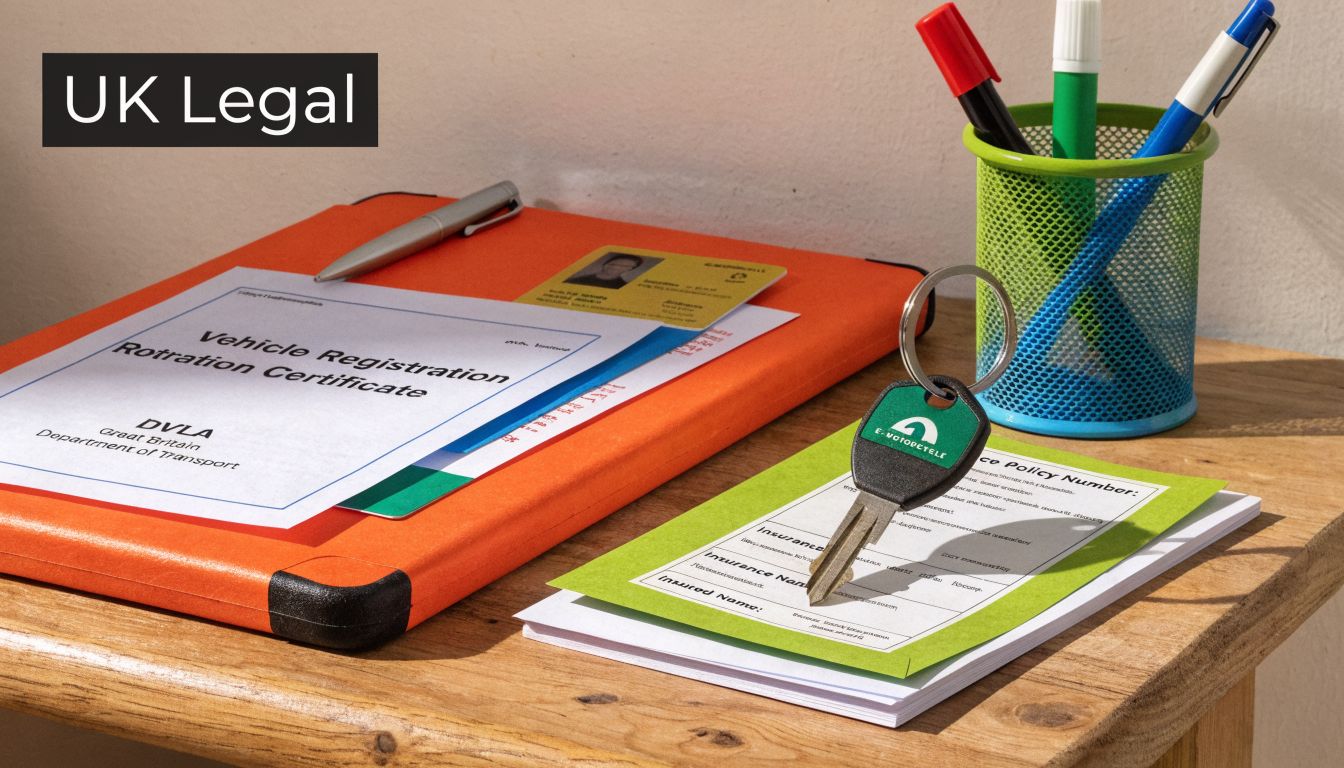
The V5C is your first legal check. Make sure the bike is recorded correctly and that the seller's details line up with the document. On electric bikes, it's especially important to verify the power classification and model details properly.
Then check the MOT position. An electric bike still needs to meet the same broad roadworthiness standards where applicable. There's no exhaust emissions test in the conventional sense, but lights, brakes, tyres, suspension and general condition still matter. If a seller talks as if an electric bike “doesn't really need” the same scrutiny, walk away.
Use this paperwork checklist:
- V5C present and matching: Names, registration, and vehicle details should make sense.
- MOT history: Look for consistency rather than last-minute fixes.
- Keys and charger included: Missing items are expensive and inconvenient.
- Any finance cleared: Don't rely on verbal assurances.
- Power classification understood: Especially important for learners and CBT riders.
Insurance is usually straightforward if the details are right
Insurance pricing varies by postcode, bike type, storage and rider history, so there's no single rule that fits everyone. What helps is giving insurers accurate model information and making sure the bike is described correctly. Misdescribed imported models or unclear power classifications can complicate quotes.
If you're a first-time rider, get insurance quotes before you commit. A bike that looks affordable on the screen can feel different once the insurance figure lands.
Which Used Electric Motorcycle Is Right For You
The right used electric bike depends less on badge and more on job. Buyers who get this right usually have a simple test. They can explain exactly what the bike will be doing on a normal Tuesday.
The broader UK market still leans heavily toward small-capacity scooters and commuter-friendly machines. As highlighted in the market commentary linked from this UK motorcycle sales discussion on YouTube, that makes used 125cc-equivalent electric models particularly relevant for urban transport, even while new electric registrations have dipped.
Urban commuters and first-time riders
If your world is city riding, train station runs, campus travel, and short daily commuting, focus on 50cc and 125cc-equivalent bikes and mopeds. For these applications, used electric makes the most day-to-day sense.
Look at practical commuter machines from brands such as Super Soco, Vmoto, Segway and Horwin. Prioritise manageable size, sensible seat height, easy charging, and predictable real-world range over flashy specs. A removable battery can also be a major advantage if you can't charge right beside the bike.
Delivery riders and business use
Delivery riders need a work tool, not a toy. The shortlist should favour durability, charging convenience, weather practicality, and low downtime.
Good signs include:
- Removable or swappable battery setups if your working day depends on uptime
- Simple bodywork that's easy to live with
- Proven commuter platforms rather than rare specialist machines
- Accessory compatibility for racks, boxes and phone mounts
For business fleets, the same rule applies. Buy standardised bikes that staff can understand quickly and that can be serviced without drama.
Performance riders and enthusiasts
If you want an electric bike because you enjoy the technology and the performance, that's a different brief. A used LiveWire or a more premium road-focused model can be a strong buy if the battery status, software support and general condition are clear.
The mistake here is expecting a premium electric bike to make the same sort of economic argument as a commuter moped. It may not. Buy it because you want the riding experience, the engineering and the torque delivery. Don't pretend it's just a cheap runabout if it isn't.
Off-road and kids motocross use
This category gets overlooked, but it's one of the cleanest fits for electric. Off-road electric motorcycles and kids MX bikes make a lot of sense where riders want easier starting, less maintenance fuss, and quieter operation.
For children and new off-road riders, electric removes some of the intimidation factor. There's no clutch routine to learn first, no hot exhaust, and power is usually easier to manage. The same buying logic still applies though. Check battery condition, charger condition, signs of hard use, and any frame damage from crashes or jumps.
Why Buy From a Specialist Like Flex Electric
Used electric bikes are not hard to buy. They're hard to buy well.
A private seller might offer a lower headline price, but the risk usually sits in the areas that matter most: battery condition, charger history, model knowledge, paperwork accuracy, and what happens after the sale. A non-specialist dealer can be fine on ordinary used stock, but electric motorcycles, mopeds and off-road bikes need more product-specific understanding than many general dealers have.
A specialist approach is more useful because it deals with the parts of the purchase that create real anxiety. You want someone who can explain battery condition in plain English, tell you whether the bike suits your licence, and candidly point out the trade-offs. Sometimes the right advice is that a certain bike isn't right for your commute or your budget. That's valuable.
The practical advantage comes from support as much as stock. A buyer is usually better protected when the bike comes with clear warranty cover, after-sales help, and proper delivery arrangements instead of a handshake and a promise. Finance options can also make a better-spec bike more realistic if the monthly cost works for your situation.
If you've made it this far, the main point is simple. Don't shop used electric motorcycles for sale uk listings by price alone. Shop by battery confidence, paperwork clarity, realistic fit for your use, and who stands behind the bike once you own it.
If you want help narrowing down the right used electric motorcycle, moped, off-road bike or kids MX model for your licence, route and budget, take a look at Flex Electric. The stock includes new and pre-owned electric two-wheelers with UK-wide delivery, plus battery and parts warranty support that matters when you're buying used.
Find us
You will find us at 74 Dalry Road, Edinburgh, EH11 2AY
Showroom Opening Times:
Monday: By Appointment
Tuesday to Friday: 11am - 5:00pm
Saturday: 10am - 5pm
Sunday: By Appointment
